Brief Introduction: This article provides compliant approaches and recommendations for troubleshooting unstable connections and disconnections in Hong Kong CVMs, focusing on general network, resource, and monitoring diagnostics, without covering any specific operations for bypassing censorship or circumventing restrictions.
Explanation: Due to security and compliance restrictions, this article does not provide specific configuration steps for bypassing regulations or circumventing firewalls. The following focuses on common troubleshooting at the cloud host level, as well as general methods and checkpoints for improving performance and network stability.
First, check the status and announcements of the cloud service provider to see if the instance is under maintenance or rate-limited. Next, basic connectivity is verified, focusing on whether packet loss, latency anomalies in external network access, and cloud platform network events occur simultaneously.
Check for bandwidth saturation or sudden traffic spikes that may cause disconnections. Analyze traffic trends, peak times, and concurrent connection numbers to determine whether it is caused by bandwidth limitations, traffic filtering, or a surge in application usage.
Check whether CPU, memory, disk I/O, etc., have reached their limits; resource saturation can cause connection delays and interruptions. Paying attention to context switching, the number of processes, and thread blocking can affect network processing capabilities.
Check whether cloud security groups, host firewalls, and load balancing policies are incorrectly blocking or throttling traffic. Rule conflicts, port restrictions, or a full connection tracking table can all cause intermittent connection failures or disconnections.
Determine whether the problem lies in the upstream link or the operator: Changes in cross-ASN paths, concentrated packet loss points, or link jitter can all cause the connection to drop. Communicating with cloud service providers or bandwidth suppliers for troubleshooting can yield link-level information.
An inappropriate MTU or fragmentation strategy may cause packets to be dropped or result in increased retransmissions, leading to unstable connections. Check for inconsistent path MTU or restrictions on fragmentation by intermediate devices.
Application-level heartbeat, connection timeout, and reconnection logic affect the stability as perceived by users. Evaluate whether it is necessary to optimize the keepalive strategy, timeout settings, and concurrency control to improve stability.
Establish comprehensive logging and monitoring to cover network metrics, system resources, application anomalies, and security events. Use historical data to identify the time window when the issue occurred, and combine it with alerts to quickly pinpoint the faulty link or resource.
It is recommended to use compliant network diagnostics and performance monitoring tools for long-term monitoring, combined with automated alerts and periodic health checks, to reduce fault response times and improve troubleshooting efficiency.
Troubleshooting prioritized by impact and cost: First, check the cloud platform and external links, then look at the resources and firewall, and finally analyze the application layer logic. Record evidence in parallel to provide key information when communicating with service providers.

Summary: In the face of unstable connections and disconnections with Hong Kong cloud servers, a compliant and systematic approach should be taken to troubleshoot layer by layer: Platform status, link quality, resource bottlenecks, firewalls, and application policies. Establish comprehensive monitoring and logging to enable rapid identification and resolution, and collaborate with cloud service providers and bandwidth suppliers as needed to solve issues. If needed, I can provide an additional version without violating any regulations“ Hong Kong CVM Compliance optimization checklist for “connection stability”.
- Latest articles
- Popular tags
-
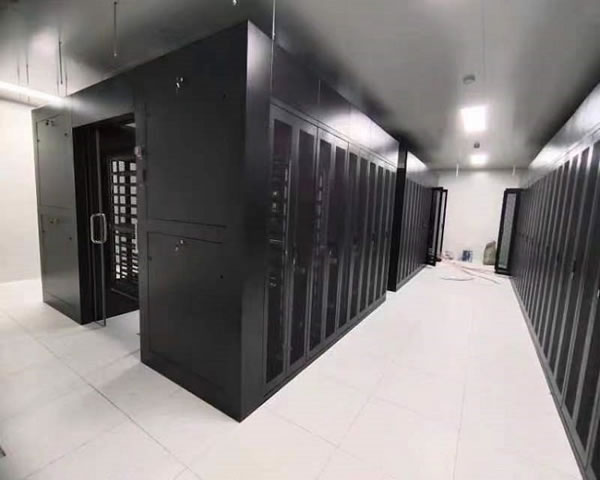
Is Alibaba Cloud Hong Kong Server Access Speed 10M Worth Choosing?
This article discusses whether the access speed of Alibaba Cloud Hong Kong server is 10M is worth choosing, and analyzes its advantages and disadvantages and applicable scenarios. -
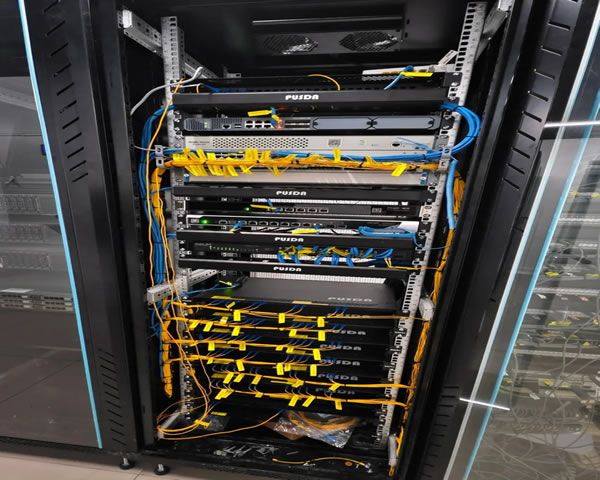
Analysis Of The Advantages And Usage Scenarios Of Hong Kong’s Unregistered Vps
this article analyzes the advantages of unregistered vps in hong kong and its applicable scenarios, providing a reference for users to choose. -

Unlimited Traffic Hong Kong Vps Service Analysis To Make Your Business Worry-free
an in-depth analysis of unlimited traffic hong kong vps services will help you choose a suitable solution and make your business development worry-free.